What can the study of rhetoric teach Australian high-school English students about persuasive writing?

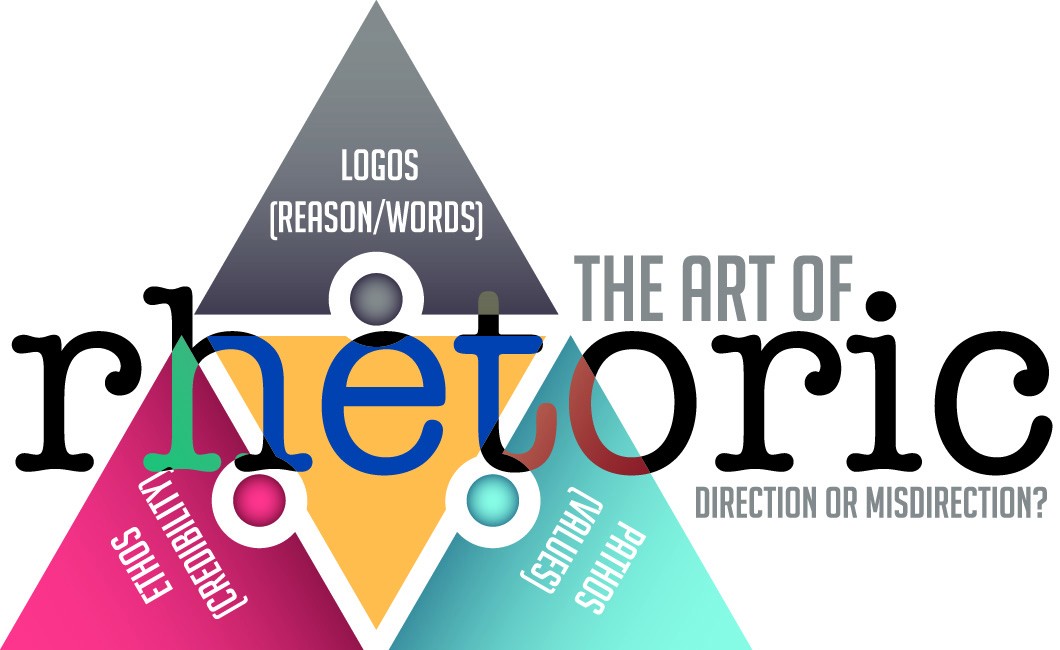
Logos. Pathos. Ethos.

During professional experience, I was amazed to see my Year 9 English class learning about definitions to these ancient Greek words within a module on advertising. Little did I know at the time that these three words comprised Aristotle’s seminal classification of rhetorical arguments (Corbett & Connors, 1999, p. 12).

Although steeped in ancient tradition, rhetoric should not be viewed as an antiquated preoccupation; the study of rhetoric is as relevant now as ever before (Hermann, 2018, pp. 44-49). Political speeches, social media and advertisements have found new and increasingly subtle ways to use rhetorical devices to influence and persuade (Villaneuva-Mansila, 2017, p. 113). With this in mind, if we want students to “read the world”, they first need to see how the world’s most influential ideas have been inflated and carried by clouds of hot air.

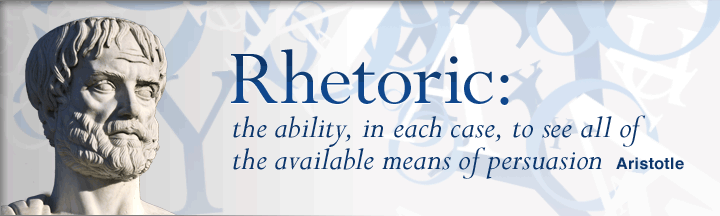
For essentially, rhetoric is the study of hot air; it traces how speakers command words to frame realities and to further their agendas, for better or worse (Bull, 2016, pp. 482-486). To empower critical thinking students who question dominant ideologies we must give students the power of differentiate between hot air and unequivocal truth (Charteris-Black, 2005, p. 126). For only by understanding how uncertain or fallacious arguments become gift-wrapped as truth can students unpack reality from, well, rhetoric.  

Let me return to my opening line: logos, pathos and ethos. These three terms are easy to define and straight-forward to apply within the Stage 4 English classroom: i.e., there are 3 main types of arguments – logical arguments (logos), emotional arguments (pathos) and moral arguments (ethos); every persuasive text you respond to or compose is comprised of a combination of these 3 arguments (Leith & Myerson, 1989, pp. 87-89). This simple lesson opens students to a profound realisation at the heart of rhetoric: truth is an unstable concept; our realities are shaped by the arguments we find most persuasive (Cockcroft & Cockcroft, 1992, p. 58).
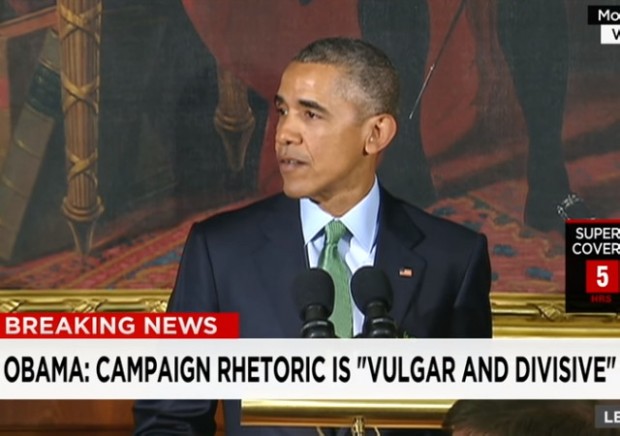
With the increasing use of ICT in classrooms, teachers can now show video and audio recordings of famous speeches throughout history to demonstrate the above insight. From Mandela to JFK to Gorbachev to Obama, there is a wide variety of political speeches that span cultures and contexts brimming with rhetorical devices for students to identify, explore, practise and finally master (Fengjie, 2016, p. 151). With multimodal texts a mandated component of NESA’s English syllabus, it is wasteful to merely present texts in class, prompt student analysis and later compositional work; without highlighting the rhetorical patterns that pervade famous speeches across generations (Olmsted, 2006, p. 7). Incorporating this historical dimension demonstrates how the word can literally change history while also staving off natural teenage self-centredness (Olmsted, 2006, p. 21). For while NESA’s increased emphasis on students’ personal engagement with texts is wonderful, this cannot be at the expense of students’ understanding of how their own compositions fit into the history of persuasive writing; treating each text as a silo of knowledge removes the greater significance of why we study English at all.
An obvious counterargument to rhetoric’s re-inclusion into the modern curriculum is that proficient teachers should already be facilitating performative tasks such as in-class debating to improve students’ speaking skills (of which rhetoric is one component). Having tried several in-class debating exercises at each of my professional experience placements, the issues with this perspective became clear: time constraints mean that the top-performing students (who usually have extra-curricular engagement with debating or public speaking) revel in the spotlight while less-advanced students either remain quiet or descend into inappropriate remarks. Without the frontloading of a rhetorical scaffold, speaking tasks only serve to reinforce students’ previously held beliefs about their English abilities: i.e., being good at English is further seen as a “natural gift”, a belief which motivates a few and demoralises most. Instead, rhetorical competency can demystify English and instil students with an increased self-efficacy that not only improves their persuasive writing but their competencies with other literacies too.

For example, Shakespeare’s texts remain an integral part of the English syllabus, a polarizing point that acts as the final straw in many students’ metaphorical relationship with literature. To remedy this, I’ve witnessed several teachers hide the written play entirely in favour of film and theatre adaptations. This follows the adage that Shakespeare is to be seen and heard, not read like a novel. Once students are hooked by a visually engaging adaptation, the study of Shakespeare’s use of rhetoric can act as a bridge that connects students back to the play’s literary devices, and by extension, the play’s deeper subtler levels of meaning that would otherwise remain unexposed. Framing questions from a rhetorical standpoint demands that students access higher-order thinking skills whether they want to or not! “Is Hamlet motivated by an emotional, logical or ethical agenda?”, “What rhetorical devices does Romeo use to woo Juliet?”, “What arguments does Iago employ to persuade Othello of Desdemona’s infidelity?”. The explicit teaching of rhetoric is an investment that leads to a deeper understanding of characters’ motivations and text-types’ differing purposes within Shakespeare’s plays and beyond.

For as the above example demonstrates, rhetoric’s value goes beyond students’ persuasive text responses: rhetoric highlights the musicality of language, improving students’ appreciation of poetry and prose as a positive by-product. Rhetoric also demonstrates the power of the spoken word, thus improving students’ critical literacy skills and giving students the necessary tools to both detect and then challenge inequalities for the purpose of social justice (McCabe, 2012, p. 41). Rhetoric’s place in the modern English curriculum should no longer be contested: how can we honestly expect students to write persuasively without first introducing them to the art of persuasion?

Using cartoon and floating text, this video emphasizes the relevance of rhetoric in our contemporary society.

Hyperlinks to relevant media articles
Words actually can hurt, according to UCI researchers study of political rhetoric
A research study analyzes the concept of post-truth

References

Bull, P. (2016). Claps and Claptrap: : An analysis of how audiences respond to rhetorical devices in political speeches. 473-492.

Charteris-Black, J. (2005). Politicians and rhetoric : The persuasive power of metaphor / Jonathan Charteris-Black. Houndmills, Basingstoke, Hampshire ; New York: Palgrave Macmillan.

Cockcroft, R., & Cockcroft, Susan M. (1992). Persuading people : An introduction to rhetoric / Robert Cockcroft and Susan M. Cockcroft.Basingstoke: Macmillan.

Corbett, E., & Connors, Robert J. (1999). Classical rhetoric for the modern student / Edward P.J. Corbett, Robert J. Connors. (4th ed.). New York: Oxford University Press.

Fengjie, L. (2016). Analysis of the Rhetorical Devices in Obama’s Public Speeches. International Journal of Language and Linguistics, 4(4), 141-161.

Herman, R. (2018). Telling the Story and the Importance of Rhetorical Devices and Techniques. GPSolo, 35(5), 40-58.

Leith, D., & Myerson, George. (1989). The power of address : Explorations in rhetoric / Dick Leith, George Myerson. London ; New York: Routledge.

McCabe, K. (2012). Climate-change rhetoric: A study of the persuasive techniques of President Barack Obama and Prime Minister Julia Gillard. Australian Journal of Communication, 39(2), 35-57.

Olmsted, W. (2006). Rhetoric : An historical introduction / Wendy Olmsted. Malden, MA ; Oxford: Blackwell Pub.

Villanueva-Mansilla, E. (2017). Memes, menomes and LOLs: Expression and reiteration through digital rhetorical devices. MATRIZes, 11(2), 111-129.
How can literary texts that focus on mental health issues be safely studied in Australian high-school English classrooms?

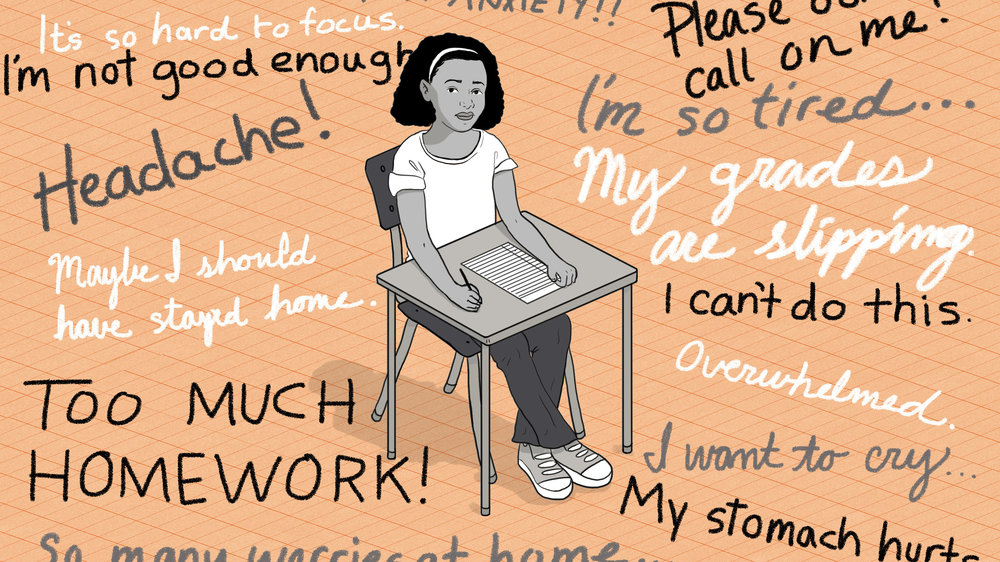
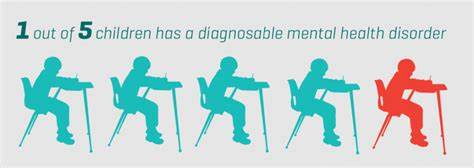
Mental health issues have reached epidemic proportions in contemporary western societies, and our educational institutions are not immune (Aggarwal et al., 2015, p. 491). During my professional experience, multiple teachers from three different high-schools have expressed how common anxiety, depression, body-image and self-esteem issues are in today’s high-schools. Similarly, several informed me about the full workload of school counsellors who are struggling to find time to attend to students’ various mental health needs.

When I polled teachers during my first professional experience placement with the question “who would be comfortable setting texts that focus on mental health issues?”, I received mixed results. Younger teachers were keen and willing to introduce such texts, cognisant of the broader problem of mental health and believing that the classroom is a safe and proper place to discuss serious matters. On the other hand, older teachers were more reluctant, voicing concerns about introducing such texts lest they trigger and potentially worsen underlying mental health issues amongst students. These older teachers agreed that there was a problem, but felt it was too risky for them to become involved with, especially within today’s context of heightened teacher scrutiny from parents and the media. All teachers present expressed an interest in learning from a successful model of implementing such a program, because they weren’t sure how best to address this problem.

Unfortunately, there is a dearth of academic literature regarding the role that high-school English teachers could play in remedying this social issue. Bibliotherapy and expressive writing are proven by various academic studies to improve individuals’ mental health; yet the usefulness of such techniques for improving the mental health of a whole class has been untested (McCullis & Chamberlain, 2013, p. 34; Lepore & Smyth, 2002, pp. 12-23). On a macro level, whole school mental health awareness policy initiatives have successfully improved adolescents’ mental health literacy; but this has not led to a deliberate focus on engaging with set-texts which raise mental health concerns (Wei et al., 2013, pp. 112-116).

Akin with how US educators have tackled race tensions that spill over into classrooms, I believe that teachers need to lead “difficult conversations” surrounding mental health issues to sufficiently prepare our 21st century students for the challenges of adulthood (Copenhaver-Johnson, 2006, pp. 13-16; Sherman, 2017, pp. 292-294). English classrooms, with their focus on critical thinking and personal engagement are poised to lead such conversations (Wolk, 2009, p. 667). From my perspective, the point of contestation should not be whether we introduce these texts or not; but instead, how do we incorporate texts that focus on mental health issues safely into class discussions?

There are several steps that need to be taken to reach this goal. Firstly, a safe classroom setting must be supported by a school-wide mental health program such as MindMatters, which provides mental health training for teachers and introduces procedures to support students affected by classroom content (Wyn et al., 2000, pp. 594-598).

Secondly, teachers need to have a comprehensive understanding of their students’ medical history. If students have experienced abuse or past trauma, then some texts should be avoided altogether.

Thirdly, teachers need to gauge their students’ personalities and maturity levels. Discussing texts that deal with serious mental health issues can be problematic if the class is unable to engage with the text’s themes maturely and compassionately (Knickerbocker & Rycik, 2002, p. 199). Instead, it would be preferable to wait for students to mature before introducing such texts, as inappropriate comments can invalidate the experiences of affected members of the class.

Lastly, parents and carers must be actively engaged partners throughout the process.

In a way, students have been exploring texts that focus on mental health issues for centuries, the only difference being whether teachers highlight and classify these issues or not. For example, Hamlet’s melancholy and existential angst could easily be interpreted as depression, and his procrastination and theological uncertainty interpreted as anxiety.

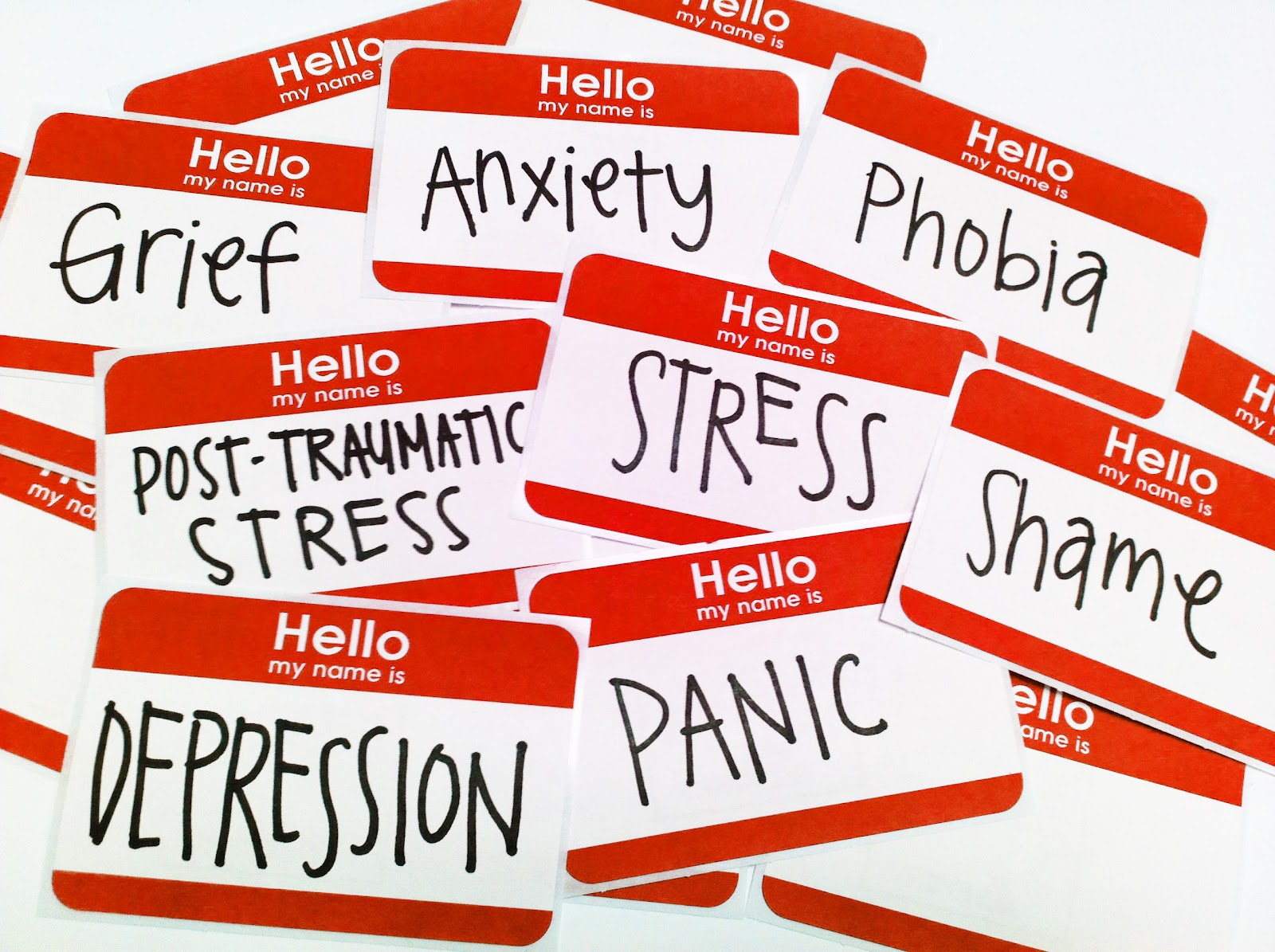
Of course, mental health issues are complex and cannot always be extrapolated from classic texts. New, modern texts that deal with issues that have only recently garnered medical and public attention (e.g. ADHD, ASD, ODD etc.) must be introduced to keep pace with the next generation’s needs. Examples of modern young adult fiction texts that explore mental health issues include The Man Who Loved His Children by Christina Stead (suicide), Parvana by Deborah Ellis (PTSD; depression), Finding Audrey by Sophie Kinsella (social anxiety), and Made You Up by Francesca Zappia (Schizophrenia).

As an example, over several lessons I observed how a boy with high-functioning ASD engaged with The Curious Incident of the Dog in the NightTime by Mark Haddon in Year 12 standard English. I noted how the boy readily asked questions about the text and told me how he especially enjoyed reading the thoughts of the text’s protagonist, whom he connected with. And yet, my supervising teacher told me that he broke down during a subsequent Design and Technology class: according to my supervising teacher, the boy had become more aware of his differences from reading the text and as a result felt even more isolated from his peers. Whether this boy or the school was ready or not, he had experienced a watershed era in his life through engaging with the protagonist of his English class’ set-text. How his teacher, classmate and the school reacted to his breakdown would determine whether this was a time of growth or increasing confusion and estrangement.

During the formative years of high-school, students like this boy learn about themselves through identifying with others, both in real life and through literature. Accordingly, it is imperative that adequately trained and supported teachers lead difficult conversations within the English classroom (Hsieh, 2017, p. 295). Within our contemporary era of increasing emotional turmoil and learning difficulties amongst Australian youth, English teachers should select texts that normalize mental health issues and increase mental health literacy.  Because I would prefer that students, like the boy discussed above, confront serious mental health issues amidst the safe confines of a high-school’s pastoral care model, as opposed to by themselves after high-school ends.

An example of a school-wide approach to increasing mental health literacy from Mascoma Valley Regional High School

Hyperlinks to relevant media articles
We shouldn’t teach children about mental health
Five things schools can do to help students’ mental health
Too many ‘depressing messages’ in VCE books drives push for trigger warnings

References

Aggarwal, V., Patel, R., Zhou, C., & Hawton, K. (2015). Education and global mental health. The Lancet. Psychiatry, 2(6), 489-497.

Copenhaver-Johnson, J. (2006). Talking to Children about Race: The Importance of Inviting Difficult Conversations. Childhood Education, 83(1), 12-22.

Hsieh, B. (2017). Making room for discomfort Exploring critical literacy and practice in a teacher education classroom. English Teaching-Practice And Critique, 16(3), 290-302.

Knickerbocker, J., & Rycik, J. (2002). Growing into literature: Adolescents’ literary interpretation and appreciation. Journal of Adolescent & Adult Literacy, 46(3), 196-208

Lepore, S., & Smyth, Joshua M. (2002). The writing cure : How expressive writing promotes health and emotional well-being / edited by Stephen J. Lepore, Joshua M. Smyth. (1st ed.). Washington, D.C.: American Psychological Association.

McCulliss, D., & Chamberlain, D. (2013). Bibliotherapy for youth and adolescents—School-based application and research. Journal of Poetry Therapy, 26(1), 13-40.

Sherman, A. (2017). Difficult Conversations: As Important to Teach as Math or Science. Childhood Education, 93(4), 292-294.

Wei, Y., Hayden, J., Kutcher, S., Zygmunt, A., & McGrath, P. (2013). The effectiveness of school mental health literacy programs to address knowledge, attitudes and help seeking among youth. Early Intervention in Psychiatry, 7(2), 109-121

Wolk, S. (2009). Reading for a Better World: Teaching for Social Responsibility With Young Adult Literature. Journal of Adolescent & Adult Literacy, 52(8), 664-673.

Wyn, J., Cahill, H., Holdsworth, R., Rowling, L., & Carson, S. (2000). MindMatters, a Whole-School Approach Promoting Mental Health and Wellbeing. Australian and New Zealand Journal of Psychiatry, 34(4), 594-601.